
Before becoming a psychotherapist, I studied philosophy and then psychology. I also worked for an NGO in Africa and then Asia. I’ve always been interested in how we make sense of ourselves, particularly when familiar ways of understanding no longer feel sufficient.
I trained in existential-phenomenological psychotherapy at the NSPC in London, and I also have training in Acceptance and Commitment Therapy (ACT).
I have worked in NHS services, charitable organisations, and private practice. This has included specialist work in chronic pain at St Thomas’ Hospital, alongside work with anxiety, depression, addiction, and more complex emotional difficulties.
What matters most to me in therapy is not interpretation or technique, but first and foremost it’s about paying attention to my clients’ words, seeking to understand, and trying to honour their experience of the world.
Contemplative/meditative practice is an important part of my life and also informs the way that I work.
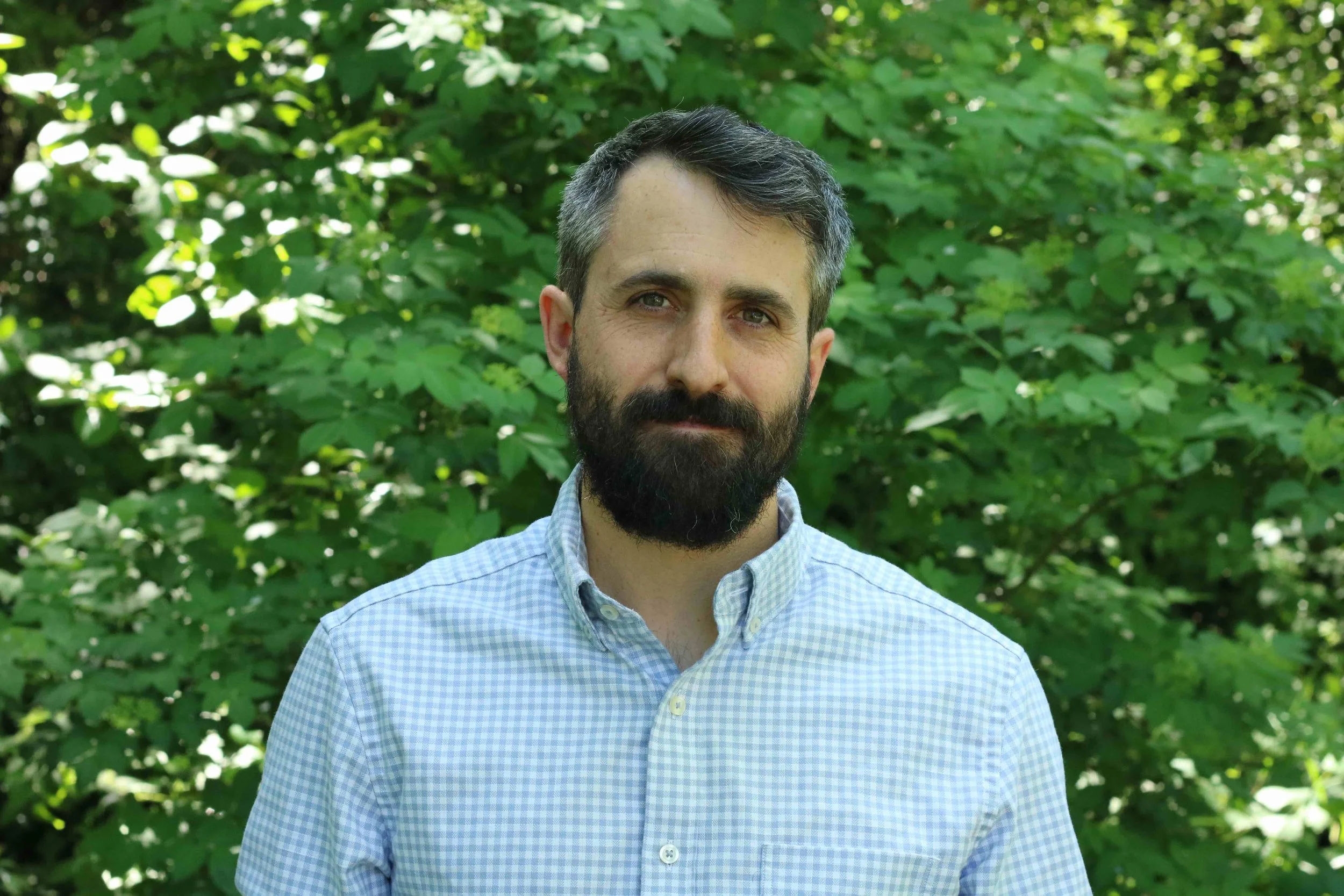
About Me
Where to start
I would recommend trying a therapist and seeing if you feel comfortable with them. There is only so much you will find out online, and so booking a session and seeing for yourself what a therapist offers is a sensible way to proceed. You can always try more than one therapist to get a sense of what’s avaliable.
This short video from the school of life gives an alternative introduction to psychotherapy.